Mary Whiton Calkins
American psychologist and philosopher · 1863–1930
Who they were
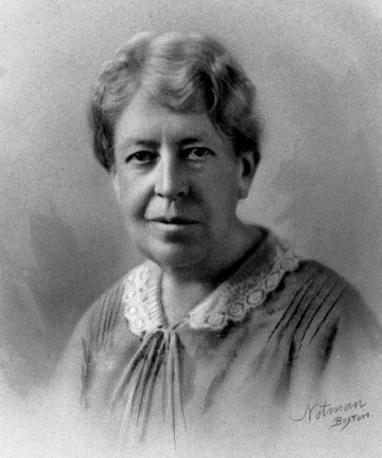
Mary Whiton Calkins studied at Smith College and began her teaching career at Wellesley. She attended Harvard seminars and completed the work required for a doctorate, but Harvard refused to award the degree to a woman. At Wellesley she established a psychology laboratory and, in 1905, became the first woman to serve as president of the American Psychological Association.
Best known for
Calkins helped develop a way to test memory by presenting items in pairs and asking whether one item could prompt recall of the other. She also argued that psychology should study the person who has the experience, not treat thoughts and feelings as if they belonged to nobody.
Major works
Association: An Essay Analytic and Experimental
An early report on how repetition, vividness, and recency affect what people remember from paired items.
An Introduction to Psychology
An early textbook that sets out Calkins’s approach to studying both conscious experience and the person having it.
The Persistent Problems of Philosophy
Calkins follows disputes over mind and reality through the history of modern philosophy.
A First Book in Psychology
An introductory textbook that presents psychology as the study of people’s experience and their relationships to the world.
The Good Man and the Good
An introduction to ethics that considers the relation between the character of a person and the good they pursue.