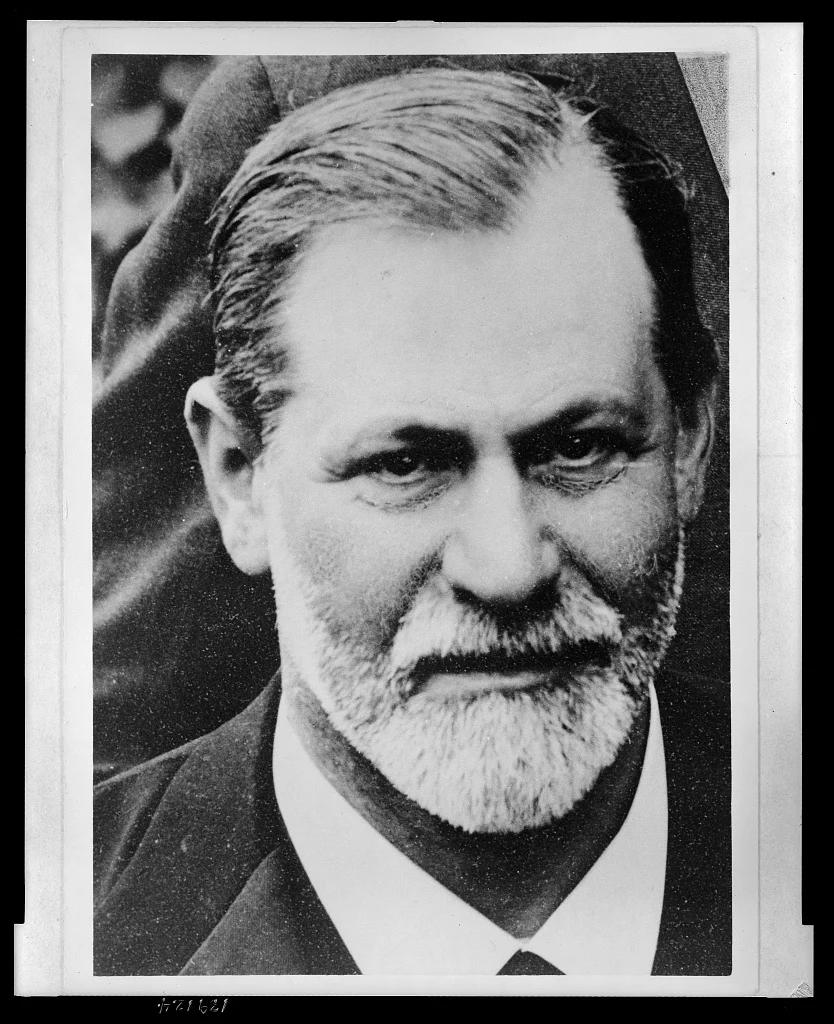
Sigmund Freud
Austrian neurologist and founder of psychoanalysis · 1856–1939
Who they were
Sigmund Freud trained and worked as a physician in Vienna. His early collaborations with Josef Breuer helped lead him toward psychoanalysis, a method of listening for motives and conflicts that might not be immediately apparent to a patient. He fled Nazi-occupied Austria in 1938 and spent the last year of his life in London.
Best known for
Freud put unconscious conflict at the center of his account of mental life. He interpreted dreams, slips of the tongue, and patterns in what people said as possible clues to wishes or fears they did not recognize. His work changed how many people talked about the mind, although many of his specific theories remain disputed.
Major works
Studies on Hysteria
Written with Josef Breuer, these early case histories examine the relationship between distressing memories and symptoms.
The Interpretation of Dreams
Freud proposes a way to read dreams as disguised expressions of wishes, using many of his own dreams as material.
The Ego and the Id
This short book distinguishes the id, the ego, and the superego as parts of Freud’s model of how motives and demands come into conflict.
Civilization and Its Discontents
Freud asks what people give up to live together and why the demands of civilization can conflict with individual desires.